
Labelling
It’s crucial to understand the difference between food safety labels and vegan labels. Labels like ‘free-from’ or ‘allergen-free’ guarantee the absence of specific allergens through strict manufacturing processes. However, the term ‘vegan’ lacks legal definition in food law and only signifies the absence of intentional animal ingredients, without ensuring allergen safety.
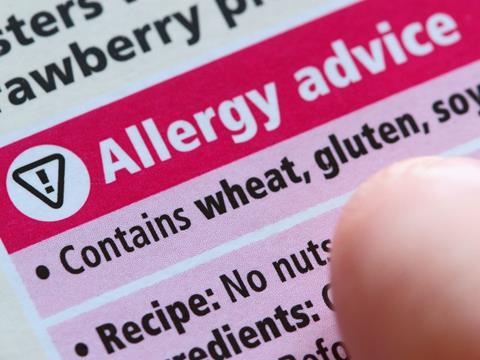
Because vegan-labelled products may still contain allergens, especially if processed in facilities handling animal-derived products, consumers with food allergies or intolerances must be vigilant. Precautionary Allergen Labelling (PAL), such as ‘may contain’ statements, helps alert consumers to potential cross-contamination risks, but it’s not foolproof.
Consumers and those involved in serving food should familiarise themselves with food labelling practices, allergen risks, and effective communication strategies. By empowering individuals with knowledge, we can create a safer and more inclusive food environment for everyone.
while adopting a vegan lifestyle can be in line with personal values and beliefs, it’s crucial to stay vigilant regarding potential allergen risks. Opting for a “vegan diet” as a means to avoid allergens can indeed help minimize exposure to animal products. However, it’s important to acknowledge that solely relying on vegan-labelled products may not eliminate the risk of encountering certain animal-based allergens. To find out more about allergens in food why not take a look at our introduction to allergens course.
Source: FSA. Read more Here


