
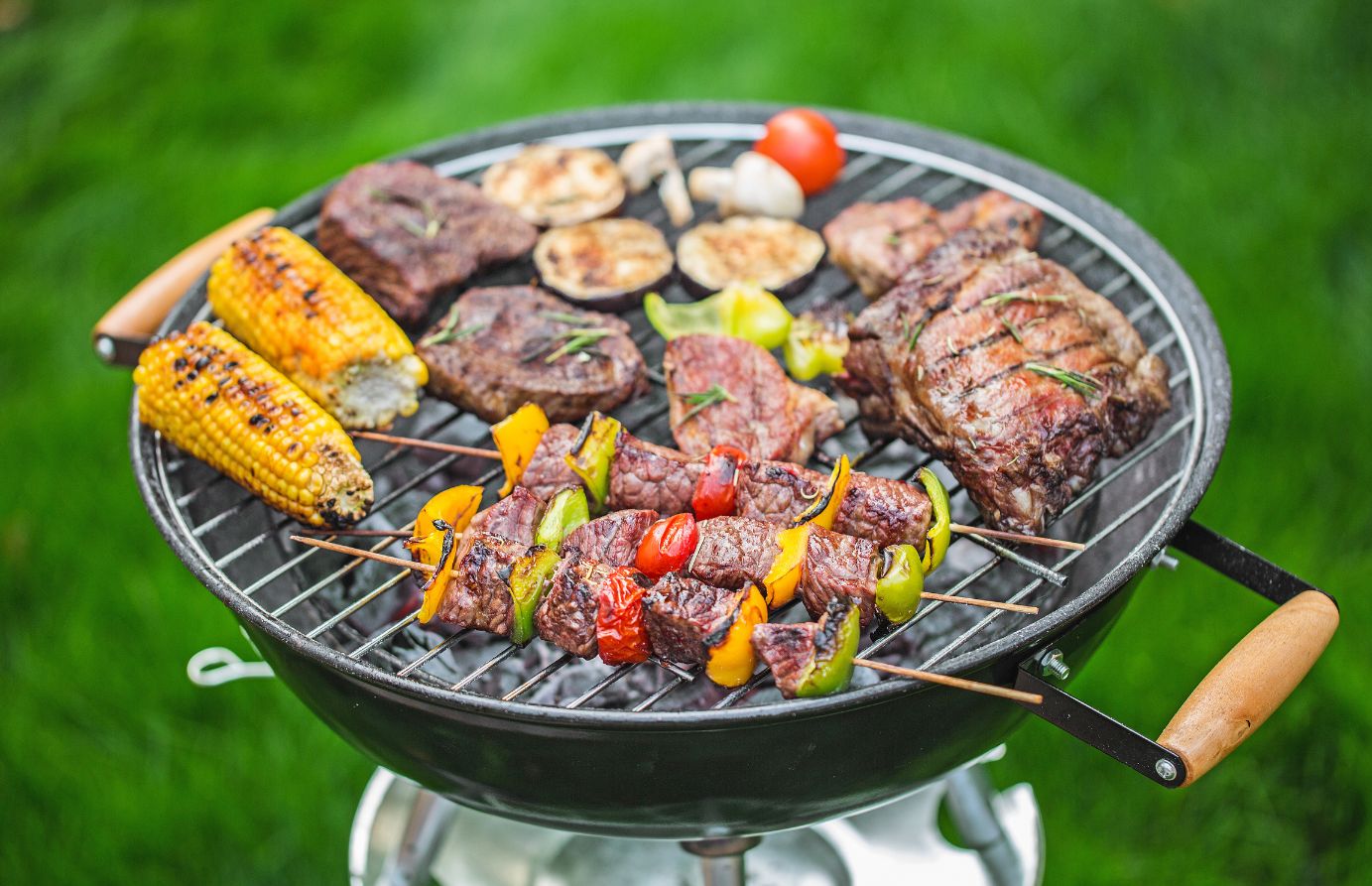
Summer and BBQs go hand in hand, but warm weather and outdoor cooking can also create perfect conditions for bacteria to grow. Proper food safety is crucial to avoid food poisoning, which can be caused by bacteria like Campylobacter, Salmonella, Listeria, and E. coli. Here’s how to ensure your BBQ is both delicious and safe.
Preparing for Your BBQ
Clean the Grill:
- Inspect and clean your barbecue thoroughly before use. Follow the manufacturer’s instructions for cleaning and maintenance to remove any residual grease and bacteria.
Cooking on Charcoal:
- If using charcoal, ensure the coals are hot enough before cooking. They should be glowing red with a grey, powdery surface.
Hand and Utensil Hygiene:
- Wash your hands with soap and warm water before handling food and after touching raw meat. Keep utensils and surfaces clean to avoid cross-contamination.
Defrosting Meat:
- Defrost frozen meat in the fridge overnight. Use a dish with a rim to catch any juices. If time is short, use a microwave to defrost, and cook within 24 hours.
Check Use-By Dates:
- Adhere to use-by dates on food packaging to avoid illness. Best before dates relate to quality, not safety, but consuming food after these dates may impact freshness.
Avoiding Cross-Contamination
Separation of Raw and Ready-to-Eat Foods:
- Store raw meat separately from ready-to-eat items. Use different utensils, plates, and chopping boards for raw and cooked foods. Wash your hands after handling raw meat.
Handling Marinades:
- Do not reuse marinades from raw meat with cooked food. Only use marinades that have not been in contact with raw meat.
Cooking Meat Properly
Pre-Cooking Options:
- Consider cooking chicken and pork in the oven before finishing them on the BBQ. This ensures they are cooked thoroughly and speeds up serving.
Cook to the Right Temperature:
- Cook meat to the appropriate temperature:
- Red Meat: Steaks can be served pink if the surface is well-seared.
- Chicken and Pork: Should be cooked through with no pink inside.
- Minced Meat: Burgers, sausages, and kebabs must be cooked well done.
Checking Doneness:
- Ensure meat is steaming hot throughout, with no pink visible in the thickest part, and that juices run clear.
Serving Food Safely
Different Plates and Utensils:
- Use separate plates and utensils for raw meat, cooked meat, and ready-to-eat foods like salads.
Keep Chilled Foods Cool:
- Store chilled foods in the fridge or a cool bag with ice packs until ready to serve. Keep them out of direct sunlight.
Managing Leftovers
Cooling and Storage:
- Cool cooked foods quickly at room temperature before placing them in the fridge or cool bag. Refrigerate within one to two hours, especially on hot days.
Reheating:
- Consume leftovers within 48 hours. Reheat only once and ensure the food is steaming hot before serving.
Freezing Leftovers:
- You can freeze cooked BBQ leftovers. Visit Love Food Hate Waste for tips on freezing and recipe ideas.
Special Considerations
Vulnerable Individuals:
- Extra caution is needed when preparing food for young children, older adults, or individuals with underlying health conditions. Ensure all food is thoroughly cooked and handled with care.
Allergies and Intolerances:
- Check for allergies and intolerances before preparing food. Avoid cross-contamination by using separate utensils and surfaces for allergen-free food.
Enjoy your BBQ safely by following these tips, and make sure your summer cookouts are both enjoyable and risk-free!
Source: FSA. Read more Here

