

The Kitchen Life 2 study, supported by the Food Standards Agency (FSA), has unveiled critical insights into our everyday kitchen habits, uncovering areas where improvement is crucial for food safety. By closely examining 70 households and 31 restaurant kitchens across England, Wales, and Northern Ireland, the study presents compelling statistics that highlight common risky behaviours and practices.
Revealing Statistics:
Handwashing After Handling Raw Meat: Less Frequent Than You Think
- The study observed that only about 30% of individuals washed their hands after handling raw meat, a key practice to prevent the spread of bacteria.

Chopping Board Reuse Without Cleaning
- In over 50% of the kitchens observed, chopping boards were reused for different foods without proper washing in between, significantly increasing cross-contamination risks.

Ignoring Use-By Dates: A Widespread Habit
- Surprisingly, 75% of participants admitted to consuming food past its use-by date, risking foodborne illnesses.

Incorrect Fridge Temperatures: A Common Oversight
- Approximately 60% of households were found to store food at incorrect temperatures, fostering an environment conducive to bacterial growth.
- The correct temperature for storing food in a fridge is at or below 4°C. This temperature range is crucial for slowing down the growth of bacteria and maintaining the safety and quality of perishable foods like dairy, meats, and leftovers. Freezers should be set at -18°C to keep foods frozen.

Leftovers: Reheating Practices Fall Short
- When it came to reheating leftovers, the study found that in over 40% of cases, food was not reheated until steaming hot throughout, a practice essential for killing harmful bacteria.

Food Storage and Waste: Room for Improvement
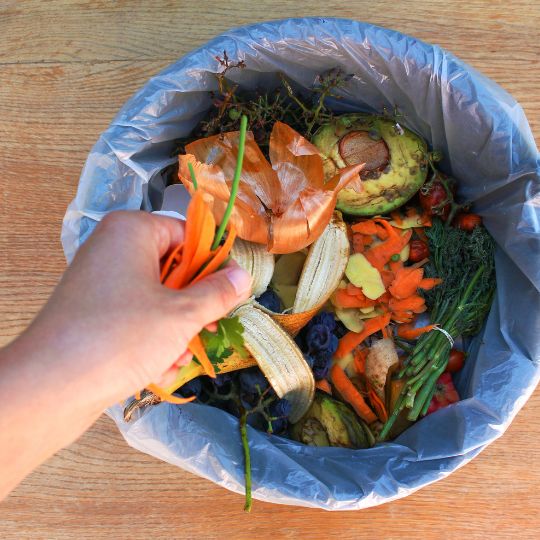
- About 80% of households demonstrated practices that could lead to unnecessary food waste, like misinterpreting food labels or poor planning, which also impacts food safety.
Why Do These Statistics Matter?
These findings from the Kitchen Life 2 study underscore a critical need for more accessible food safety education and the adoption of safer food handling practices. The statistics reveal not just individual habits but also collective trends that, if addressed, could significantly reduce the incidence of foodborne illnesses.
Source: FSA. Read more Here

